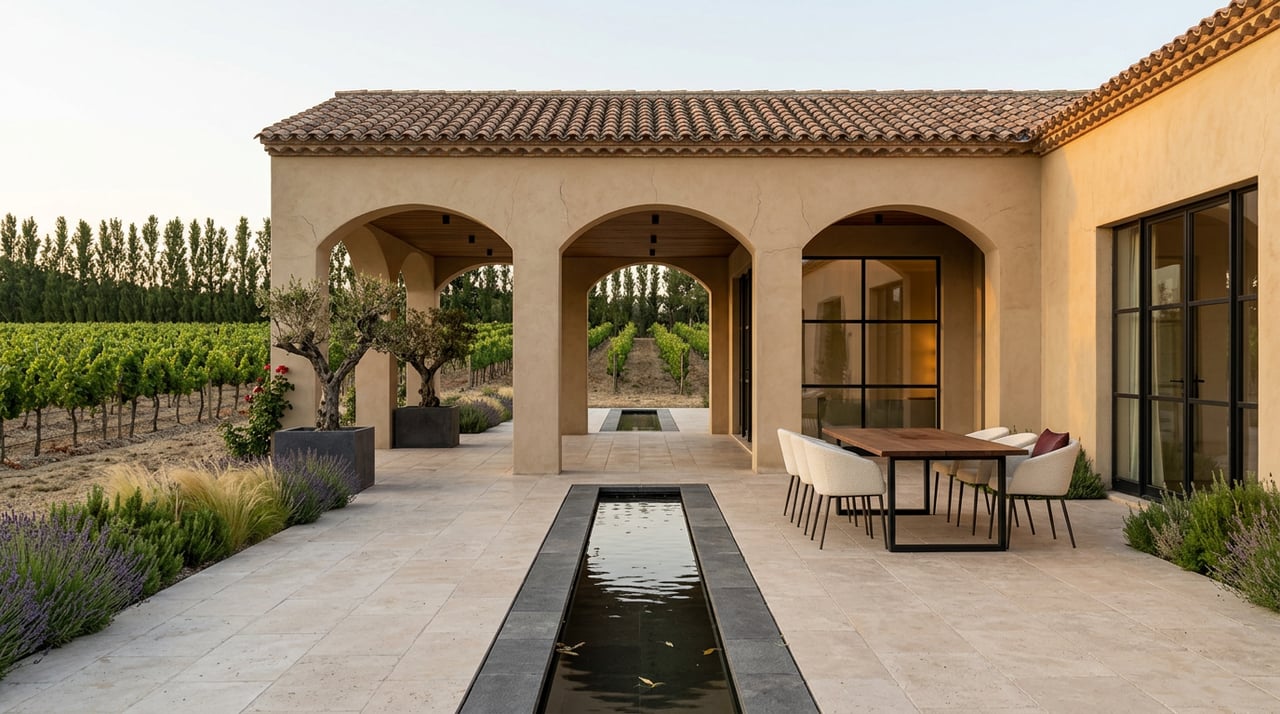
Argentina Wine Country Estates and Lifestyle Insights
March 5, 2026
March 5, 2026
Imagine waking to Andean light on snowcapped peaks, with neat rows of Malbec just beyond your terrace. If you are exploring Argentina’s wine country as a place to live, host, and perhaps make a little wine, you are in good company. International buyers are drawn here for the scenery, the culinary culture, and the chance to own meaningful land at the foot of the Andes. In this guide, you will understand the key regions, the lifestyle tradeoffs, how estates actually operate, and the essential checks before you buy. Let’s dive in.
Argentina is a world‑class wine producer, with Mendoza as the country’s best‑known region for premium Malbec and high‑altitude sites. Subregions like Luján de Cuyo, Maipú, and the Uco Valley each offer distinct terroir and different lifestyle settings. If you want proximity to services and restaurants, you will find it in and around Mendoza city. If you seek mountain silence and privacy, look toward the valleys and highland pockets.
For context and a clear overview of the country’s wine map, the primer on Argentina’s regions from Food & Wine is an excellent starting point. It highlights why Mendoza dominates, what sets the Uco Valley apart, and where northern and southern regions fit for buyers and investors. You can read that regional overview in the Food & Wine guide to Argentina’s wine regions.
These historic Malbec zones sit closest to Mendoza city. You get a country feel with short drives to dining, shops, and private clinics. Estates here often balance a family home with working vines or small on‑site production. If you host often and want easy logistics, this is a practical base.
Higher elevations, cooler nights, and dramatic views define the Uco Valley. Premium fruit and boutique hospitality options are common. Estates can feel more remote, which appeals if you value privacy, outdoor life, and access to top winery restaurants. Expect a premium for standout sites.
Leafy streets and village scale make Chacras a favorite for part‑time living with quick access to city amenities. Many buyers choose a country house here, then partner with nearby vineyards and wineries for production or hosting options.
Very high‑altitude vineyards produce distinctive Torrontés and aromatic whites. The landscapes are striking, and estates here suit buyers who want rarity and a getaway feel. Tourism is present, but the setting is quieter and more dramatic.
If your focus is scale and vineyard production costs, San Juan and select provinces to the north and east can be compelling. These areas lean toward larger parcels and supply chains for bulk or industrial production.
Cooler climates favor Chardonnay and Pinot Noir. The scene is more emerging and small scale. Buyers who like cooler weather and a frontier feeling may find Patagonia a fit.
Argentina’s wine country offers a range of property styles. The right choice depends on your goals, budget, and access to water.
If you plan to make wine under your own label, factor in permits for a bodega, waste and effluent handling, labeling, and quality control. If your plan is lifestyle first, with fruit sold to a partner winery, your operational footprint can remain lean.
You can approach vineyard ownership in three practical ways:
Each path changes your capital needs, staffing, and timelines. New vineyards typically produce an initial crop by years 2 to 3 and reach more stable yields and desired quality between years 4 and 6. Plan cash flow across those early establishment years before expecting steady output.
Mendoza’s vineyards live in an Andean‑fed oasis. Snowmelt travels through canals and irrigation networks administered at the provincial level. Water is allocated by concession and rotations can tighten in dry years. Confirm the property’s water rights and the physical condition of its canals or drip systems. Long‑term estate value is tied to reliable water access and well‑maintained infrastructure.
For background on how irrigation and allocations work in Mendoza, academic and policy studies offer helpful context on rights, turn schedules, and drought management.
A functioning estate blends household comfort with agricultural know‑how. Typical roles include an estate or finca manager, a consulting agronomist or viticulturist, a cellar lead or winemaker if you vinify on site, and house and grounds staff. During harvest, crews are often hired through local contractors for a defined period.
If you employ household staff, Argentina’s domestic service law sets registration rules, minimums, and social security obligations. Ensure you or your local administrator properly register employees and comply with payroll and benefits requirements under Ley 26.844.
Harvest, or vendimia, is both work and celebration. Departmental festivities in Mendoza begin in January and roll toward the national celebration in early March, with harvest running roughly March to April. If you plan to host friends and family, vendimia is the season to showcase your estate.
Travel is straightforward. Frequent flights connect Buenos Aires to Mendoza, with flight times typically around 1 hour 40 minutes to just under 2 hours depending on carrier and route. From Mendoza’s airport, road transfers to Luján de Cuyo are short, while drives to the Uco Valley are longer but scenic. Private drivers and car rentals are easy to arrange.
Yes, foreigners regularly purchase property in Argentina. That said, national rules around foreign ownership of rural land have been active and contested recently. A broad decree issued in late 2023 sought to repeal prior limits, and subsequent court actions have challenged parts of the change. Because the legal picture has shifted quickly, have a current legal opinion from an Argentina lawyer and an escribano, and check for any provincial restrictions before you proceed.
Transactions typically follow a clear sequence: negotiate an offer, sign a private purchase agreement known as a boleto de compraventa if used, complete due diligence and title study with an escribano and counsel, and then execute the public deed, the escritura pública, before the notary for registration in the provincial property registry. You will budget for notary fees, registry costs, provincial and municipal taxes, and any required withholdings. An experienced escribano is a central figure in this process.
Argentina’s tax treatment of property transfers hinges on your residency, the date the seller acquired the property, and the property’s history. Properties acquired before 2018 often fell under the ITI regime, while acquisitions from 2018 onward are more commonly handled under income tax or capital gains rules, with different withholding mechanics for non‑residents. Model your potential exit with a qualified tax advisor before you buy so you understand true net outcomes.
For higher‑value transfers, sellers historically needed a COTI code. Recent administrative updates in 2025 relaxed or removed the COTI requirement in some cases. Always ask your escribano to verify the current rule just before listing or contracting.
Use this concise list with your agent, lawyer, and escribano:
Argentina’s wine country rewards a thoughtful plan. Clarify your lifestyle goals, decide how involved you want to be in production, and secure the right water and operational backbone. From there, your estate can become a family retreat that also tells a story in the glass.
If you would like curated introductions, private listings, or a discreet second opinion as you explore Mendoza and beyond, connect with Peter Kempf International. Our advisory approach is quiet, senior‑led, and focused on fit.
Stay up to date on the latest real estate trends.
I pride myself in providing personalized solutions that bring my clients closer to their dream properties and enhance their long-term wealth. Contact me today to find out how I can be of assistance to you!