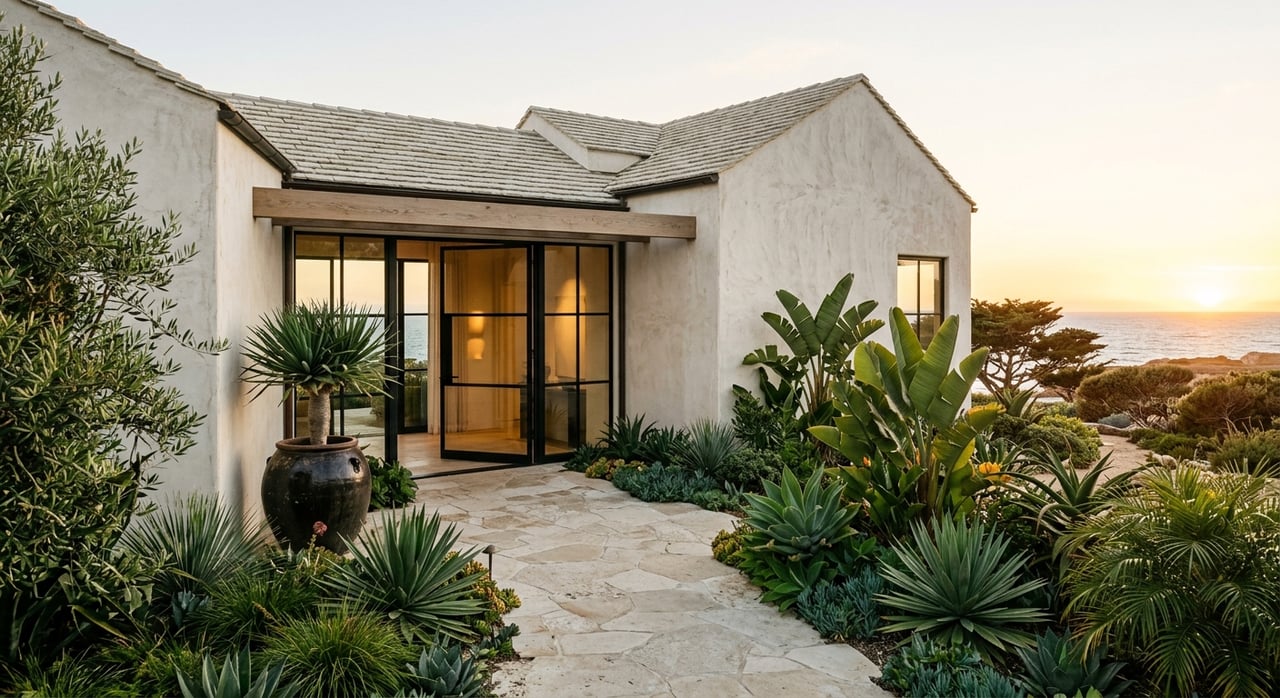
Key Steps and Timeline for Buying a Bermuda Home as a Foreigner
April 16, 2026
April 16, 2026
Buying a home in Bermuda as a foreigner can feel exciting and complex at the same time. You may be drawn to the island’s privacy, waterfront beauty, and international appeal, but the purchase process is more gate-driven than a typical mainland transaction. If you want to move forward with confidence, it helps to understand the order of operations, the approvals involved, and the costs you need to plan for. Let’s dive in.
If you are not Bermudian, you are generally treated as a restricted person under Bermuda’s land rules and must apply to the Minister for a licence to hold or acquire land unless a specific exception applies. The governing law gives the Minister discretion to approve or refuse an application, which means timing is shaped by legal review as much as by the market itself. You can review the legal framework in the Bermuda Immigration and Protection Act 1956.
For most foreign buyers, the first practical question is whether a property fits the category they are allowed to acquire. Bermuda distinguishes among residential homes, condominiums, undeveloped land, and certain tourist accommodation or hotel residence units. The property’s annual rental value, or ARV, is also central to eligibility, and that information is maintained by the Department of Land Valuation.
One important point is worth keeping in mind. Official sources reviewed for this topic show different historical ARV threshold figures, so you should not rely on an old number without a current legal check. In practice, your attorney should verify the applicable threshold before you make decisions based on eligibility.
Before you tour homes or discuss terms, confirm how you will buy and whether financing is part of your plan. If you are borrowing, mortgage pre-approval is a useful first step because it helps you define your budget and move more efficiently when the right property appears.
According to HSBC Bermuda mortgage pre-approval guidance, pre-approval is valid for 90 days and may be turned around the same day during an in-branch appointment. For non-Bermudians, the lender’s process may require a passport, proof of ties to Bermuda, a work permit or temporary employment letter where relevant, plus income, address, and property details.
Even if you are paying cash, this early planning stage matters. You will still want clarity on legal eligibility, expected closing costs, and the type of property you can pursue before you invest time in due diligence.
Not every Bermuda property follows the same path for a foreign buyer. The legal rules treat houses, condos, undeveloped land, and tourist or hotel-style units differently, so your search should begin with properties that fit your buyer profile and the relevant legal route.
This is where ARV becomes especially important. Bermuda’s land valuation system underpins both land tax and eligibility, so confirming the property category and ARV early can help you avoid wasted time or an offer on a home that may not fit your acquisition route.
In many markets, buyers lead with lifestyle and refine details later. In Bermuda, it is smarter to confirm the legal fit first and then decide whether the property matches your goals. That sequence can save time, reduce friction, and create a more disciplined buying process.
Some buyers may qualify through a different status pathway. For example, Permanent Resident’s Certificate guidance notes that PRC holders may purchase property with a lower ARV than other restricted persons. There is also an Economic Investment Residential Certificate policy, which can be relevant for high-net-worth buyers seeking residence together with a qualifying investment.
A Bermuda lawyer is not just helpful in this process. In practical terms, local counsel is central to getting the transaction done correctly. The licence application, title review, stamping, registration, and mortgage filings all run through a legal process that is structured around attorney involvement.
The government’s R22 registration form for non-Bermudian land acquisition requires the attorney to confirm that the buyer is entitled to acquire the property and to submit supporting items such as the licence and any relevant certificate. That makes early legal coordination one of the most important steps in your timeline.
If you are a restricted person acquiring property in Bermuda, you must generally apply to the Minister for a licence. This is one of the key steps that makes the Bermuda timeline different from many other luxury markets.
The application package is detailed. Based on the R22 form and related process, you should expect to provide identity details, the property description, intended use, purchase price, a bank reference, and two personal references. Your attorney will typically help organize the package and ensure the submission aligns with the governing Act.
Approval is not automatic. Under the Bermuda Immigration and Protection Act, the Minister may approve or refuse the application in his discretion. That means your closing timeline depends not only on negotiations and financing, but also on the pace and outcome of this review.
The current law no longer includes the former public notice stage, because section 87 was repealed in 2020. Even so, this remains a formal approval process, so buyers should allow for legal review and government processing time.
Your purchase budget should include more than the agreed price. For foreign buyers, transaction-level costs often include the licence application fee, stamp duty, land-holding charges, legal fees, and registration-related expenses.
The current government fee schedule lists $1,706 for an application by a restricted person to hold or acquire land, according to the official fees page. The same source also outlines land-holding charges that may apply to restricted-person acquisitions, including 12.5% of value for most residential valuation units that are not condominiums, 8% for a condominium unit, and 5% for land not otherwise listed, with different treatment for certain family or Bermudian-linked categories.
Stamp duty is separate and follows a sliding scale. The government’s stamp duty page states the current rates as:
It is also wise not to assume that first-time buyer relief applies to you. The government’s stamp duty relief page is framed around Bermudian first-time homebuyers, so non-Bermudian buyers should confirm eligibility before relying on any relief.
Closing should happen only after the legal and financing conditions are fully in place. That includes the licence decision, mortgage approval if applicable, and completion of the required conveyancing documents.
Once approved, the conveyance is stamped and the title and licence documents are assembled for registration. The Land Title and Registration Office records new owners and interests such as mortgages, making registration the final step in formalizing ownership.
In some markets, buyers think of closing as the last major milestone. In Bermuda, registration is a critical part of the finish line. Your attorney will usually coordinate the submission so the acquisition and any mortgage are properly recorded.
Once you own the property, your planning should continue. Bermuda’s land tax system is based on ARV, so the valuation framework that mattered during your search will also affect ongoing ownership costs.
The government has already outlined the 2026 Valuation List timetable: forms were due by 28 February 2026, the list will be published on 31 December 2026, and it will take effect for land tax on 1 January 2027 based on rental values as of 1 July 2025. For buyers considering a long-term hold, this is an important reminder that carrying costs should be reviewed as part of your broader ownership strategy.
While every transaction is unique, the Bermuda buying process usually follows a clear sequence. The most efficient deals are the ones where your financing, legal review, and property shortlist are aligned from the start.
A practical order looks like this:
Bermuda can offer a distinctive ownership experience, but the process rewards preparation more than speed. Your timeline is shaped by buyer status, property category, ARV, lender requirements, ministerial approval, and registration, all of which need to line up before a purchase is complete.
If you are considering a Bermuda purchase and want a discreet, well-informed starting point, Peter Kempf International can help you approach the search with the clarity, privacy, and senior-level guidance that complex international transactions require.
Stay up to date on the latest real estate trends.



I pride myself in providing personalized solutions that bring my clients closer to their dream properties and enhance their long-term wealth. Contact me today to find out how I can be of assistance to you!