Tuscan Farmhouse vs Lake Villa: How to Choose
May 7, 2026
May 7, 2026
If you are drawn to Italy for a primary or vacation home, one question comes up quickly: do you see yourself among Tuscan hills and olive groves, or beside a lake with ferries, promenades, and water views? Both settings offer beauty, history, and a strong sense of place, but they support very different daily rhythms. This guide will help you compare Tuscan farmhouses and Italian lake villas so you can choose the lifestyle, logistics, and property style that fit you best. Let’s dive in.
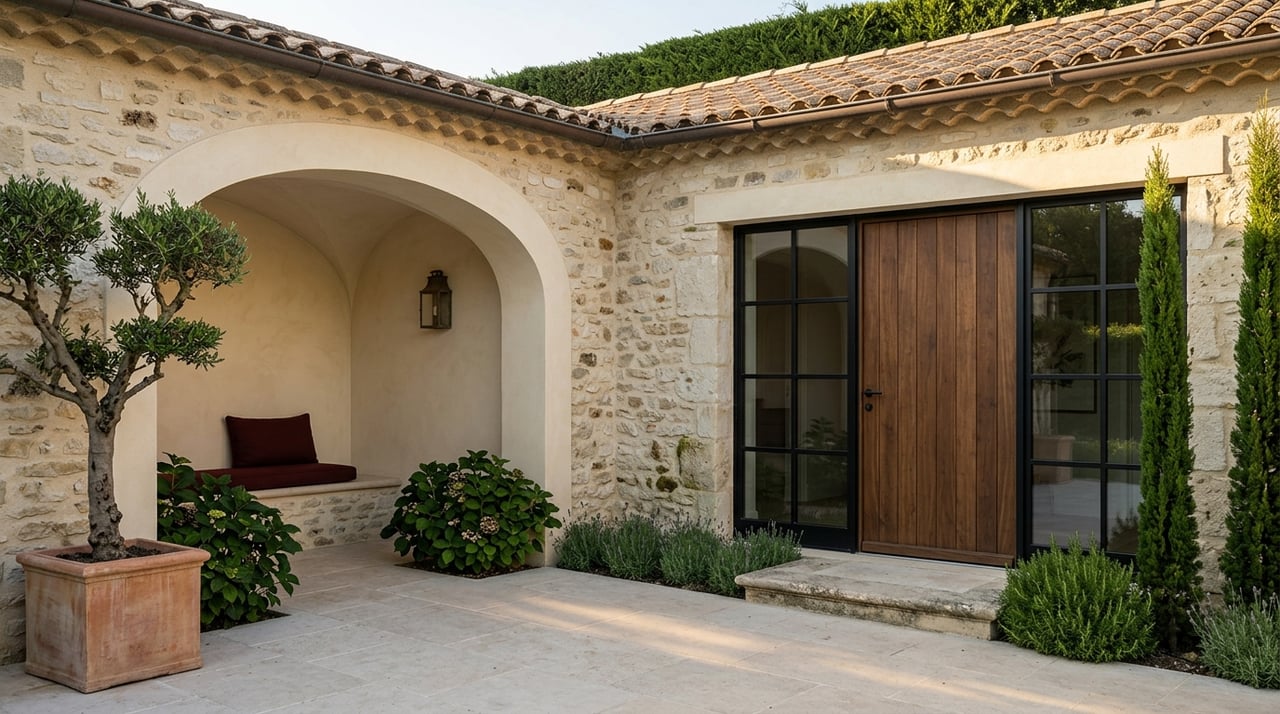
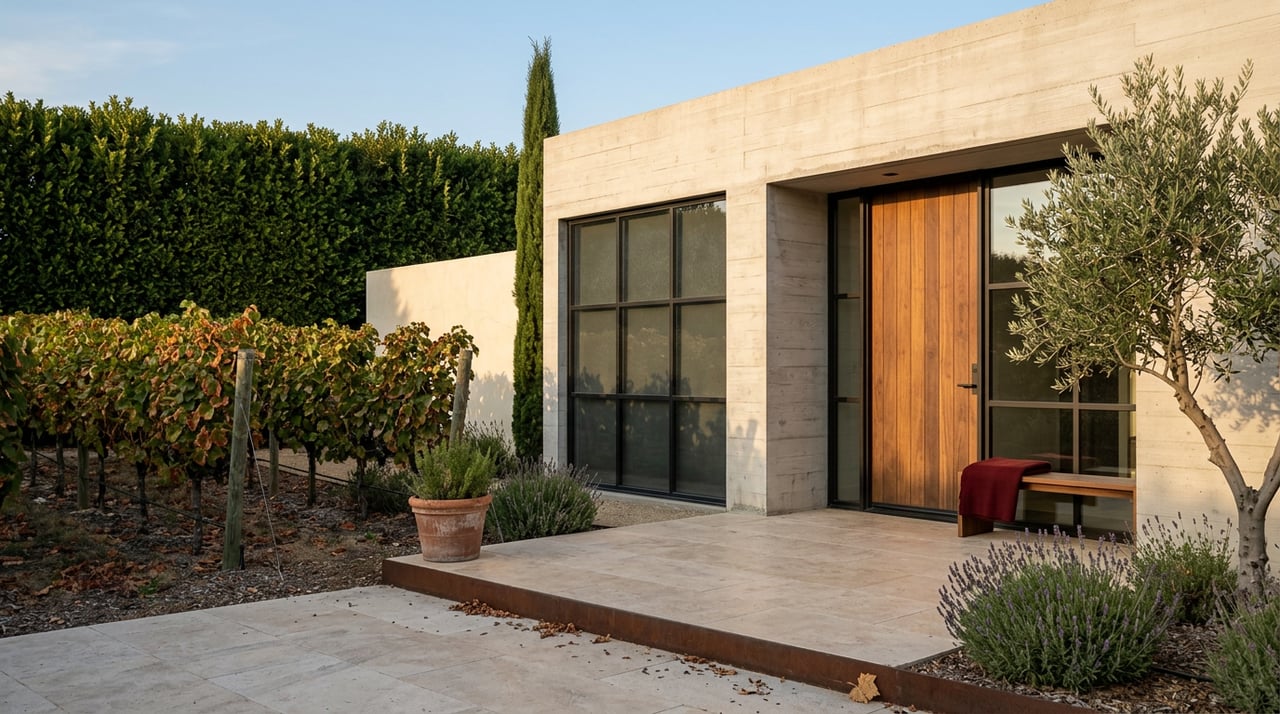
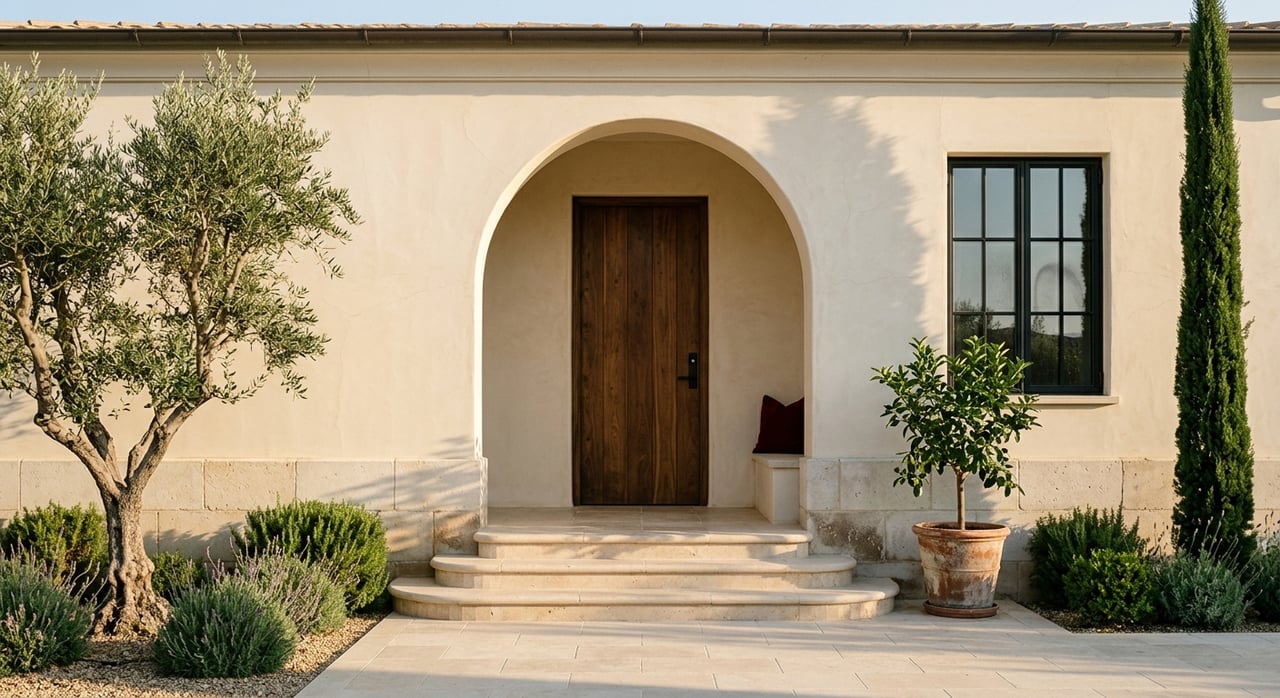
A Tuscan farmhouse is often about land, privacy, and a closer connection to the seasons. Official regional tourism sources describe the countryside through vineyards, olive trees, historic villages, and a slower pace shaped by agriculture and tradition. Tuscany also has more than 5,000 agritourism facilities, which reflects how deeply rural life is woven into the region’s identity.
For many buyers, that appeal is emotional as much as practical. You are not just choosing a house. You are choosing a setting where village routines, seasonal change, and open landscapes shape how you spend your time.
Tuscany is widely framed as a place to slow down. Official sources highlight spring as a season when villages come alive and countryside fragrances return, while broader countryside guides emphasize patience, slow itineraries, and a strong relationship to the land.
That usually suits buyers who want calm, space, and a home that feels removed from constant movement. If your ideal day includes long lunches, time outdoors, and a quieter calendar, a farmhouse may feel like a natural fit.
Tuscan farmhouses often appeal to buyers looking for:
These qualities are a big part of the farmhouse archetype. They create atmosphere and character, but they can also bring added planning around access, upkeep, and property improvements.
An Italian lake villa usually offers a more connected, water-centered lifestyle. Official guides for Lake Como and Lake Garda emphasize movement and access, with boats, ferries, buses, trains, and nearby airports playing a visible role in daily travel. Compared with inland rural settings, the lake environment generally feels more service-rich and easier to navigate.
For many second-home buyers, that convenience matters. A lake property can combine scenic beauty with smoother short-stay living, especially if you plan to come and go often.
Lake living tends to revolve around shoreline mobility and recreation. On Como, official materials highlight boat travel, historic villas and gardens, the Greenway, and the funicular. On Garda, the emphasis shifts toward beaches, sailing, wellness, active holidays, and strong road, rail, ferry, and airport connections.
That makes the lake category attractive if you want beauty without feeling isolated. You may still enjoy peace and privacy, but your daily life is often closer to transport, services, and a wider range of seasonal activities.
While both lakes share strong visual appeal, they suggest slightly different styles of living.
| Lake area | Official emphasis | General feel |
|---|---|---|
| Lake Como | Boat travel, historic villas, gardens, Greenway, funicular | Elegant, scenic, and closely tied to the shoreline |
| Lake Garda | Active holidays, wellness, beaches, sailing, road and rail access, nearby airports | Energetic, flexible, and recreation-oriented |
If you are trying to choose between the two, the simplest distinction is this: Como often feels centered on classic lakeside atmosphere, while Garda leans more toward active use and transportation convenience.
Lifestyle matters, but so does daily function. One of the clearest differences between Tuscan farmhouses and lake villas is how easy it is to move around once you arrive.
For convenience, the lakes usually have the edge. Como’s official city guide lists bus lines, boat services, train-station access, and the funicular in the center. Garda’s official resources identify rail stations at Desenzano and Peschiera, regular bus links, motorway access via the A22 and A4, and nearby airports including Verona-Villafranca and Brescia-Montichiari.
That network can make a real difference if you expect frequent arrivals, weekend stays, or guests coming and going. It also supports a more flexible routine for dining, exploring, and managing everyday errands.
Tuscany is more car-dependent once you move beyond its main cities. Official guidance notes that many countryside areas can only be reached by car and that smaller villages are not always easy to access by public transport, especially on Sundays and holidays.
That does not mean every farmhouse is remote. It does mean you should think carefully about driving time, road access, and how often you expect to reach shops, services, or contractors.
Your ideal property should work not just in peak season, but across the year. This is another area where farmhouses and lake villas can feel quite different.
Tuscany’s countryside is closely tied to seasonal change. Official tourism material presents spring as a moment when villages and landscapes feel newly alive, and its broader messaging consistently points to a slower, more seasonal rhythm.
If that sounds appealing, a farmhouse may align well with your goals. You may enjoy planning your stays around harvests, local events, and quieter months rather than expecting the same level of activity at all times.
Lake Garda is described by official sources as having a mild climate, with lake water helping moderate summer heat and winter cold. Its ferry system includes at least one year-round car-and-passenger route, along with additional summer-only crossings. Lake Como’s Greenway is described as suitable for every season, and official guides show routes reached by car, bus, or boat.
This gives many lake properties a more flexible year-round profile. If you want a home that supports shoulder-season stays and frequent shorter visits, a villa on the lakes may offer a smoother fit.
Whether you choose a farmhouse or a lake villa, character often comes with responsibility. In Italy, heritage and landscape protections can affect what changes you are allowed to make.
The Ministry of Culture’s SITAP platform is the national system for protected landscape information. Guidance from the Soprintendenza states that any intervention that changes the external appearance of protected places requires specific landscape authorization under the cultural heritage code.
For buyers, the takeaway is simple: never assume that visible updates are straightforward. Before planning exterior work, it is important to understand whether the property or surrounding landscape falls within a protected context.
Tuscany treats landscape as a public-policy priority. The region has a landscape observatory, a regional landscape commission, and a program focused on protecting and enhancing rural architecture and rural landscape.
That is especially relevant for farmhouse buyers. In many cases, you are evaluating more than a main house. You may also be dealing with terraces, walls, gardens, farm outbuildings, and agricultural land that form part of a larger rural setting.
In broad terms, a Tuscan farmhouse tends to suit a buyer who values privacy, land, restoration potential, and a deeper immersion in rural life. A lake villa tends to suit a buyer who wants stronger transport access, easier mobility, visible services, and a property that supports active use in summer and shoulder seasons.
Neither option is better in the abstract. The right choice depends on how you actually want to live when you are there.
If you are torn between the two, start with your day-to-day expectations rather than the postcard image. Ask yourself how much privacy you want, how often you will travel in and out, whether you are comfortable driving regularly, and how important seasonal flexibility is to your plans.
In many cases, the best decision comes from matching the property to your real habits. A farmhouse can be deeply rewarding if you want space, silence, and a slower calendar. A lake villa can be equally compelling if you want water views, movement, and easier access woven into daily life.
For buyers exploring Italy at this level, clear local guidance and discreet introductions matter. If you would like a more tailored conversation about luxury homes, second-home strategy, or curated opportunities in Italy, Peter Kempf International can help you begin with clarity and discretion.
Stay up to date on the latest real estate trends.
I pride myself in providing personalized solutions that bring my clients closer to their dream properties and enhance their long-term wealth. Contact me today to find out how I can be of assistance to you!