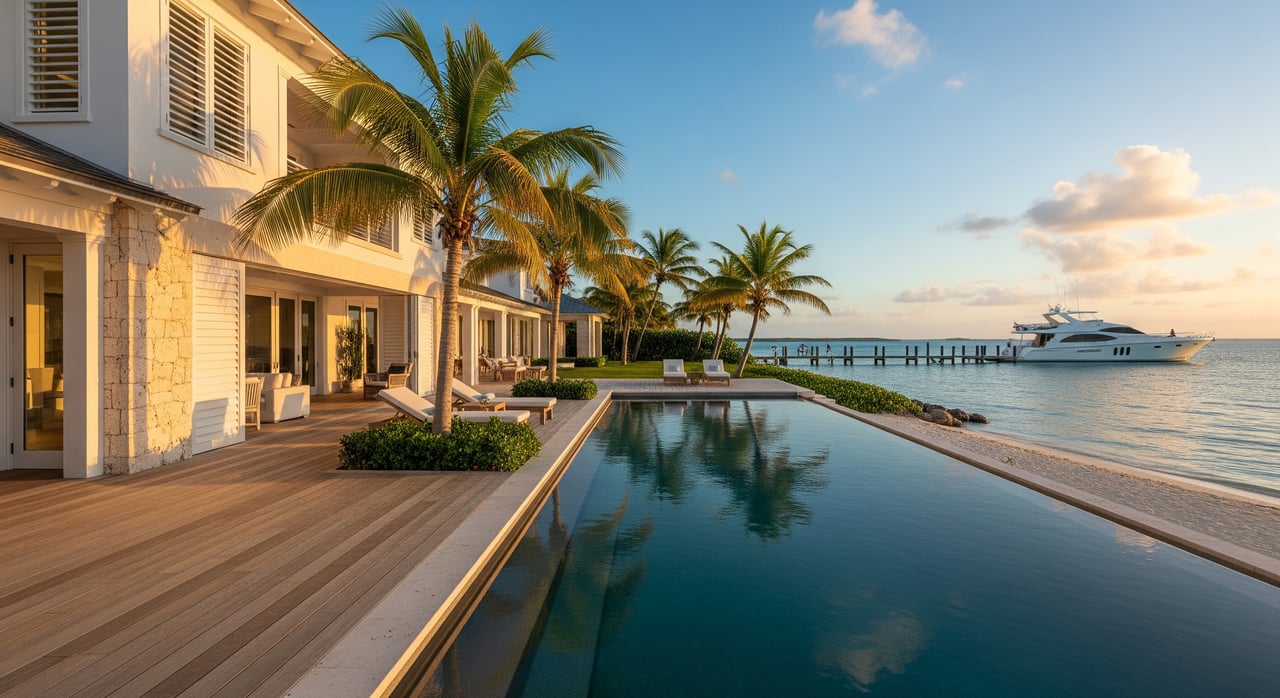
Bahamas Property Ownership for Foreigners: Key Guide
November 21, 2025
November 21, 2025
Dreaming about a place in the Bahamas where winter feels like summer and your days end with a breeze and ocean light? If you are an international buyer, you might also be wondering how ownership works, what permits you need, and how long it all takes. You are not alone. With the right plan and local counsel, buying in the Bahamas can be straightforward and rewarding. In this guide, you will learn the ownership options, approvals, steps, timelines, and cost categories to expect as a foreign buyer. Let’s dive in.
Freehold gives you full ownership of the land and any structures on it. As a foreign buyer, you can acquire freehold title, but most purchases require government permission before title registration is complete. This route offers maximum control and flexibility, subject to planning rules. Expect more detailed reviews and statutory fees compared to simpler structures.
In some settings, especially resort enclaves or where freehold sale is limited, long-term leases are common. Leases can be faster to secure than freehold, but terms vary widely. Review renewal provisions, transfer rights, and any use restrictions with your Bahamian attorney before you commit.
Condominiums are popular with non-residents. You own your unit and share common areas through a management association. Many condo developments are set up to facilitate foreign ownership, and some offer streamlined approval processes. You will have ongoing strata or HOA fees and potential special assessments, which should be factored into your budget.
High-net-worth buyers often acquire through a Bahamian or offshore company or a trust for privacy and estate planning. These structures can simplify succession and transfers within families. Standard anti-money-laundering checks and beneficial-ownership disclosures apply, and permit requirements still need to be met.
Crown land, some agricultural parcels, and protected areas carry extra controls. In some cases, sale to foreigners is not permitted or requires special approval or leasing. Always confirm land class and zoning with the relevant authorities before proceeding.
The Bahamas regulates acquisitions by non-Bahamians through an approval process often referred to as an Alien Landholding Licence or similar permission. In most cases, you will need this approval before you can register title. Some condominium developments have project-level pre-approvals that can streamline buyer permits. Requirements vary by property and development.
Expect to submit the signed purchase contract, proof of identity, background information, and proof of funds. If you are buying through a company or trust, include relevant corporate or trust documentation. Application fees apply and are paid at submission.
Processing times depend on the property type, value, and completeness of your file. Straightforward condominium purchases in pre-approved developments tend to move faster. More complex or high-value freehold acquisitions can take several months. Private island or Crown-related purchases often require more extensive review and longer time frames.
While exact figures vary by deal and change over time, plan for these common items:
Local custom on who pays which cost can differ and is negotiable. Confirm responsibilities in your sale contract.
Once you own the property, build a budget for:
Delays usually stem from incomplete documentation, questions about source of funds, missing corporate records, environmental reviews, or unresolved title matters.
Non-resident financing from local banks is available in some cases but is less common than cash purchases. If you do finance, expect different down payment and rate structures than in your home market. Plan ahead for currency conversion and international transfer timelines.
Large transfers are subject to AML and KYC checks. Your bank and attorney will ask for evidence of lawful source of funds. Having documents organized early helps keep permit and closing timelines on track.
Using a company or trust can help with privacy and estate planning. Coordinate early with your Bahamian attorney to understand how your structure interacts with permit filings and processing times. Be prepared to disclose beneficial ownership for AML purposes.
The Bahamas is hurricane exposed. Insurers may require mitigation measures like impact-rated windows and will often apply hurricane deductibles. Consider inspections and a maintenance plan if you will not be on island year-round.
Short-term vacation rentals are active in many islands, but local rules and community covenants can limit or regulate them. If you plan to rent, factor in licensing, tax registration, potential occupancy taxes, management fees, and added insurance.
High-net-worth buyers often prefer confidential showings and quiet negotiations. Work with an agent and attorney accustomed to confidential processes, while understanding that government approvals still require identity and background disclosure.
Owning in the Bahamas can be a rewarding blend of lifestyle and legacy. The key is to match the right ownership structure with a clear plan for approvals, timing, and long-term care of the property. With the right team, you can move from first conversation to closing with clarity and confidence.
If you would like curated introductions to trusted local attorneys, on-island professionals, and select properties, reach out to Peter Kempf International. Our advisory-first approach prioritizes discretion, clear next steps, and a smooth experience from offer to ownership.
Stay up to date on the latest real estate trends.
I pride myself in providing personalized solutions that bring my clients closer to their dream properties and enhance their long-term wealth. Contact me today to find out how I can be of assistance to you!