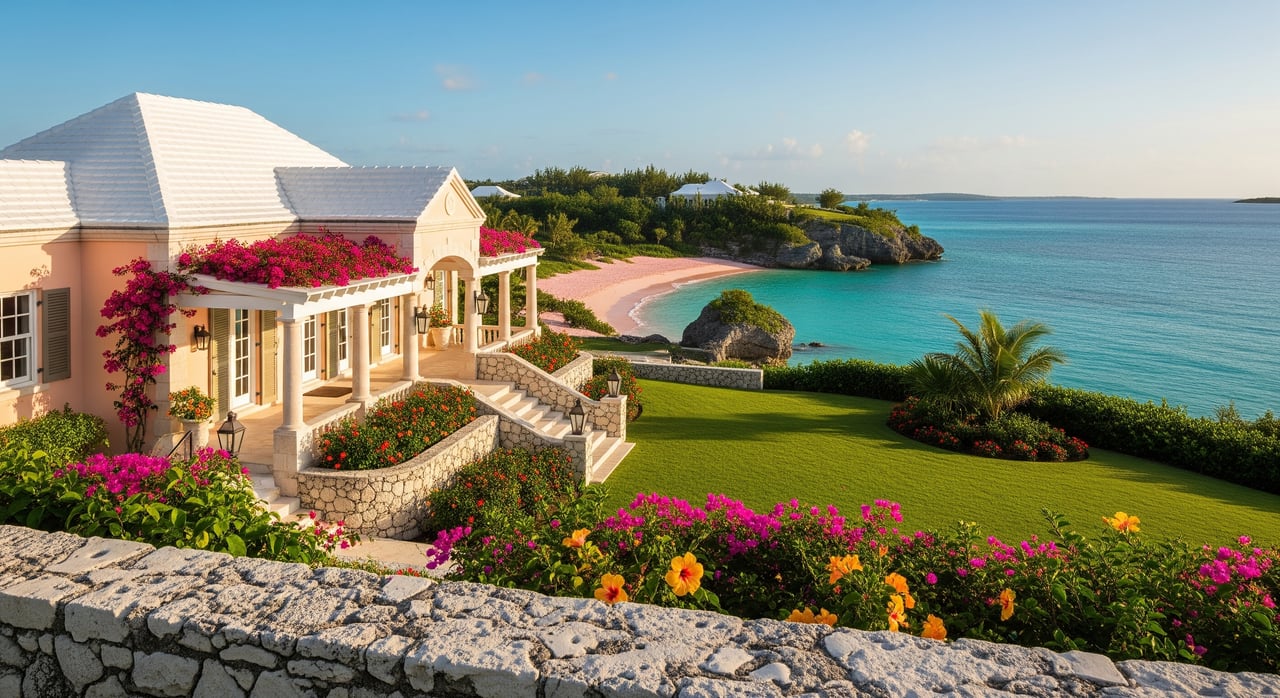
Bermuda Property Categories for Foreign Buyers Explained
December 18, 2025
December 18, 2025
Thinking about buying in Bermuda and wondering which homes you can actually purchase? If you do not have Belonger status, the rules feel complex at first glance. You want clarity on eligibility, ARV, Ministerial licences, and the steps that reduce risk. This guide breaks it down so you can focus on the right properties and move forward with confidence. Let’s dive in.
If you hold Belonger status, you generally have broad rights to purchase most residential property. If you are a non-Belonger, you face limits. Some properties are specifically designated for sale to non-Belongers, while others require Ministerial consent or are not available at all.
A property’s title often states whether it can be sold to a non-Belonger. Your first step is to confirm the property’s designation or whether a licence will be required.
Some non-Belonger purchases require a Ministerial licence. This is a discretionary Government approval that adds time and documentation to the process. Plan for the possibility of delays and build application steps into your contract timeline.
ARV is an administrative classification used by Government in the property approval process. It often appears in policies that determine which units or developments may be sold to non-Belongers. ARV thresholds can change, so confirm current policy with official sources before you rely on a specific value.
Your conveyancing lawyer should obtain the title and check for any recorded restrictions, caveats, easements, or covenants. Confirm if the property is freehold or leasehold. Lease terms, renewal rights, and any special conditions will affect transfer and long-term use.
Budget for stamp duty and registration fees at purchase, plus ongoing land tax. Rates and calculation methods can change, so your lawyer should confirm current figures as part of due diligence.
Planning approvals, zoning, and permitted uses determine what you can do after closing. Verify any existing permissions, pending applications, or enforcement issues with the Planning Department.
Owning property does not automatically grant residency or work rights. Immigration status is a separate administrative track, so set expectations accordingly.
Ask the listing agent or seller for documentation that confirms whether the property is designated for non-Belonger sale. If it is not, your lawyer can advise whether a Ministerial licence is possible and what that process involves. For units in new developments, confirm the developer’s Government approvals and any resale conditions.
Define how you plan to use the property. Primary residence, vacation home, or investment will shape your financing options, tax implications, and the likelihood that approvals will be granted. If you plan to buy through a company or trust, get advice on how that structure will be treated.
For multi-unit buildings and new developments, confirm the unit’s ARV status and whether it aligns with current policy for non-Belonger sales. Review planning records for permitted uses, setbacks, heritage overlays, and any conditions that affect renovations or rental activity.
Decide whether you will finance locally or use offshore lending. Some local lenders have limits or higher equity requirements for non-Belongers. The Bermuda Dollar is pegged to the US Dollar at 1 to 1, but you should still confirm settlement currency and transfer logistics with your bank.
If the property is not already approved for non-Belonger sale, you may need Ministerial consent. Your lawyer or agent will prepare the application. Processing time varies by case, and approvals are discretionary. Build realistic timing and approval contingencies into your offer.
The standard sequence is offer and acceptance, deposit, due diligence, exchange, and closing. During due diligence, complete title searches, planning checks, and financing confirmations, and prepare any Government applications. At closing, you will pay stamp duty, legal and registration fees, and any applicable permit fees. After closing, register title and set up ongoing land tax and insurance.
Use this as a working list with your Bermuda counsel and agent:
Processing of Government permissions can take weeks to months, depending on complexity. Title searches, surveys, and resolution of encumbrances also add time. New developments may use staged closings that follow construction and developer milestones.
You find a condominium in a newly built complex marketed to international buyers. The developer confirms Government approval for non-Belonger sales. Your lawyer verifies the designation on title and checks the unit’s ARV status and planning compliance. With financing pre-verified, you proceed without a Ministerial licence. Closing follows standard timing, subject to construction completion and final issuance of completion certificates.
You are targeting a freestanding home that is not expressly designated for non-Belonger sale. Your lawyer confirms a Ministerial licence is required. You submit an application with supporting documentation. The contract includes a licence contingency and a realistic timeline. During the waiting period, you complete title, survey, planning checks, and insurance due diligence. Once consent is issued, you proceed to exchange and close, paying applicable duties and fees.
You identify a mixed-use building with ground-floor commercial space and residential units. Rules are different from purely residential purchases. Your team verifies zoning and planning permissions, reviews title for use restrictions, and confirms whether any Government approval is required for your intended use. Financing and underwriting focus on cash flow and tenant mix. The path to closing emphasizes planning compliance and lease review.
A successful purchase starts with clarity on eligibility, careful due diligence, and the right local team. Engage a Bermuda conveyancing lawyer early, consult the relevant Government departments for current ARV policy and application forms, and use experienced agents, surveyors, and lenders familiar with non-Belonger transactions.
If you want discreet guidance and curated introductions to vetted local professionals and select opportunities, connect with Peter Kempf International. We combine senior-level advisory with selective international access for high-net-worth buyers seeking second homes and investment properties.
Ready to explore Bermuda with confidence? Request a private conversation and curated next steps with Peter Kempf International.
Stay up to date on the latest real estate trends.

I pride myself in providing personalized solutions that bring my clients closer to their dream properties and enhance their long-term wealth. Contact me today to find out how I can be of assistance to you!